
Chimney leaks are misdiagnosed constantly, because water lies. It enters at the top of the chimney and appears at the ceiling two rooms away; it soaks through porous brick and shows up as a damper rust problem. Repairing the wrong thing is how homeowners end up paying for three fixes and still owning a leak.
Eagle Chimney MN's leak detection service exists to end that cycle: a systematic examination of every way water gets into a chimney, with photo documentation of what we find and a written, upfront quote for the actual repair.
The Usual Suspects, In Order
We work through the entry points methodically:
- The crown — cracked or flat-poured crowns funnel water straight in
- The cap or chase cover — missing, rusted or ill-fitting tops admit every storm
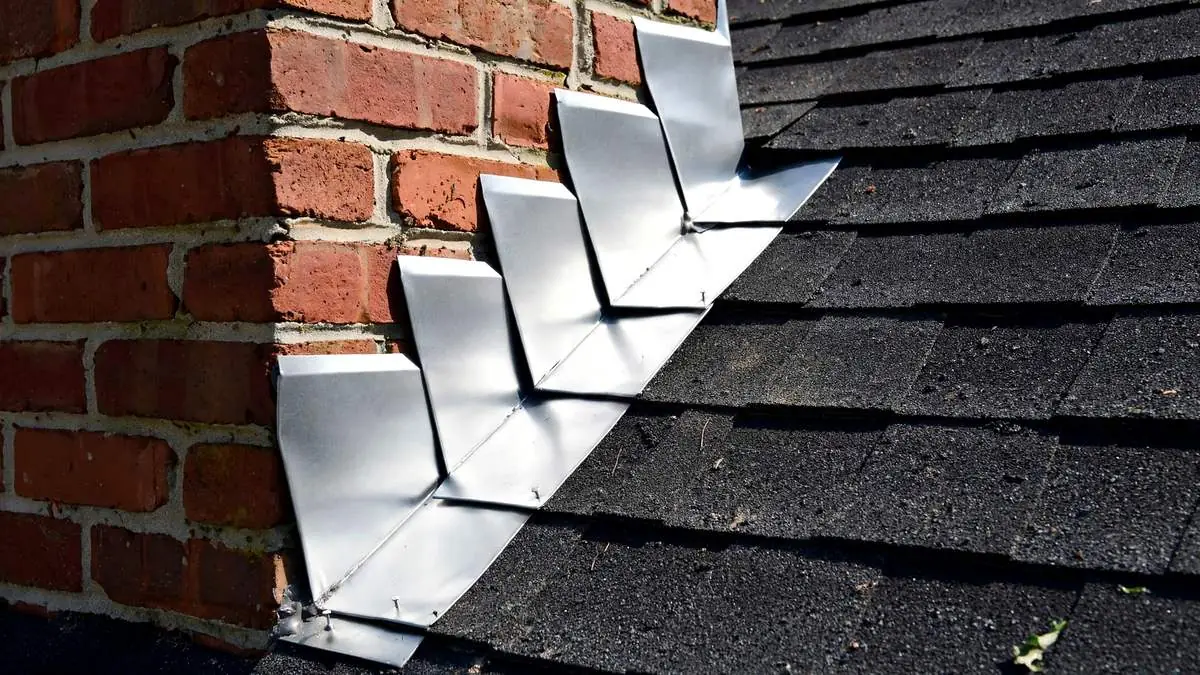
- The flashing — the roof-to-chimney joint, the single most common leak source
- The masonry itself — porous brick and failed mortar absorbing water
- The liner and interior — flue condensation mistaken for a roof leak
- The firebox and damper — rust patterns that reveal which path water took
What You Get From a Diagnosis
You get the entry point identified, photographed, and explained — plus an honest scope for the repair. Sometimes that's our flashing crew's work; sometimes it's a crown rebuild or a round of chimney waterproofing; sometimes the 'leak' turns out to be condensation from a gas appliance venting into an oversized flue, which is a different fix entirely. What you won't get is a guess with a price attached.
Signs It's Time to Find the Source
- Ceiling or wall stains near the fireplace that grow after rain
- A musty or damp smell from the firebox, especially in summer
- Rust on the damper, firebox or fireplace doors
- White efflorescence staining on exterior brick
- Peeling paint or bubbling plaster on chimney-adjacent walls
- Dripping sounds in the flue during storms