
The crown is the concrete slab that caps the top of a masonry chimney, sealing the gap between the brickwork and the flue. When it cracks — and in Minnesota, freeze-and-thaw works on every crown, every winter — water gets a straight path into the chimney's structure, where it quietly dismantles mortar, brick and liner from the inside.
Eagle Chimney MN repairs and rebuilds chimney crowns across Saint Paul and the Twin Cities. Caught early, a crown is one of the most cost-effective repairs in chimney work; ignored, it's how chimneys end up needing rebuilds.
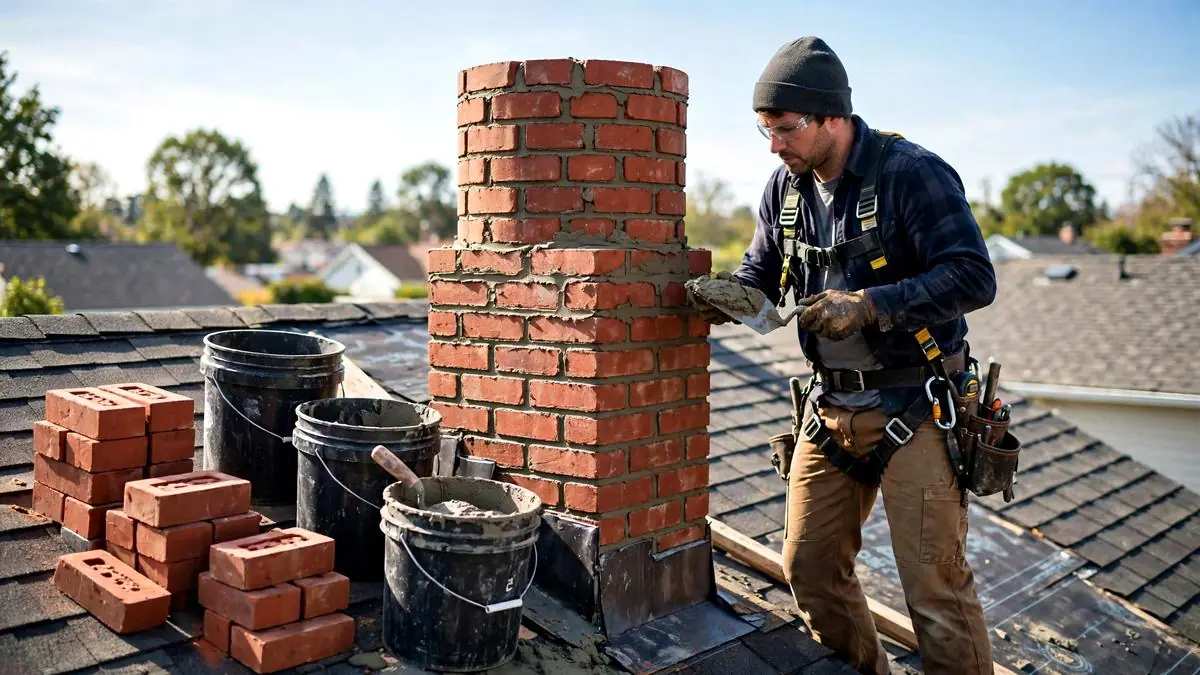
Why Crowns Fail in Minnesota
A crown lives in the harshest spot on your house: full sun, standing snow, and dozens of freeze-thaw cycles a year. Water enters hairline cracks, freezes, expands, and widens them. Crowns poured flat, without an overhang or drip edge, hold water against the masonry instead of shedding it. Shrinkage cracks from the original pour give the process a head start.
Signs the Crown Needs Repair
- Visible cracks across the top of the chimney
- Chunks of concrete missing or crumbling at the edges
- Water stains on ceilings or walls near the fireplace
- Spalling — brick faces flaking off below the top of the chimney
- Rust on the damper or firebox hardware
- Efflorescence (white salt staining) on the upper masonry
Repair or Rebuild — How We Decide
A crown with surface cracks but sound structure can often be restored with a flexible, waterproof crown coating that seals the cracks and sheds water — a genuine repair, not a cosmetic skim. A crown that's crumbled, settled or was poured without slope and overhang needs rebuilding: we remove the failed material and pour a new crown with the proper wash (slope), an overhang past the brick face, and a drip edge that throws water clear of the masonry. Either way, you get photos of the top of your chimney — before and after — so you can see exactly what was done.