
To a raccoon, a chimney looks like a hollow tree: vertical, sheltered, and safe. To chimney swifts — which are federally protected and cannot be disturbed while nesting — it's ancestral habitat. To squirrels and starlings, it's a nursery. The first sign is usually sound: scratching, chirping or chattering from the fireplace. The second is smell. The third, if a nest blocks the flue, is smoke in your living room.
Eagle Chimney MN removes animals and nesting material from chimneys across the Twin Cities, humanely and legally — and then closes the door behind them with a proper cap.
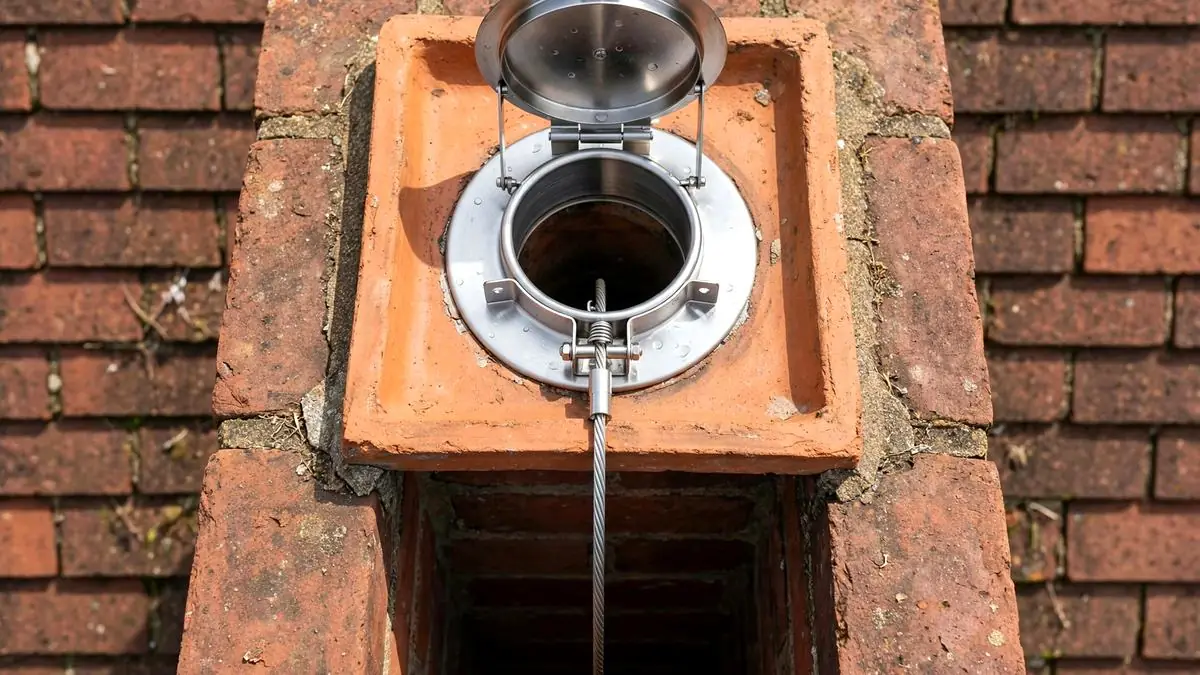
What Gets Into Chimneys
- Raccoons — most often a mother raising kits in the flue or smoke shelf
- Chimney swifts — protected migratory birds that nest in flues through summer
- Squirrels — frequent fall and winter tenants
- Starlings, sparrows and other birds — nests built on the smoke shelf
- Bats — occasionally roosting in masonry gaps
- Deceased animals — a flue that smells terrible usually has a sad explanation
How We Handle It
Timing and species decide everything. Chimney swifts are protected under federal law: if swifts are nesting, the correct action is to wait until the young fledge and leave in the fall, then clean and cap — we'll tell you honestly if that's your situation. Raccoons and squirrels are handled humanely, with the goal of the animal leaving or being removed unharmed, and never during a season that orphans young if we can schedule around it. Once the chimney is empty, we remove the nesting material — nests are a blockage and a fire hazard, not just an odor — clean the flue, and check for damage.
- Humane, species-appropriate removal or exclusion
- Nest and debris extraction from the flue and smoke shelf
- Flue cleaning and sanitizing after removal
- Damage check on liner, damper and cap area
Keeping Them Out
Every animal job ends with the same conversation: an uncapped chimney is an invitation that will be accepted again. A properly fitted stainless steel cap with animal-proof mesh — see our chimney caps page for the details — is the permanent fix, and it's far cheaper than a second removal. If your chimney has hosted wildlife once, cap it before the next season — the previous tenant's relatives have a good memory for real estate.